When Wearable Sensors Sync with Live Dealer Interfaces for Real-Time Wager Calibration in Global Mobile Platforms
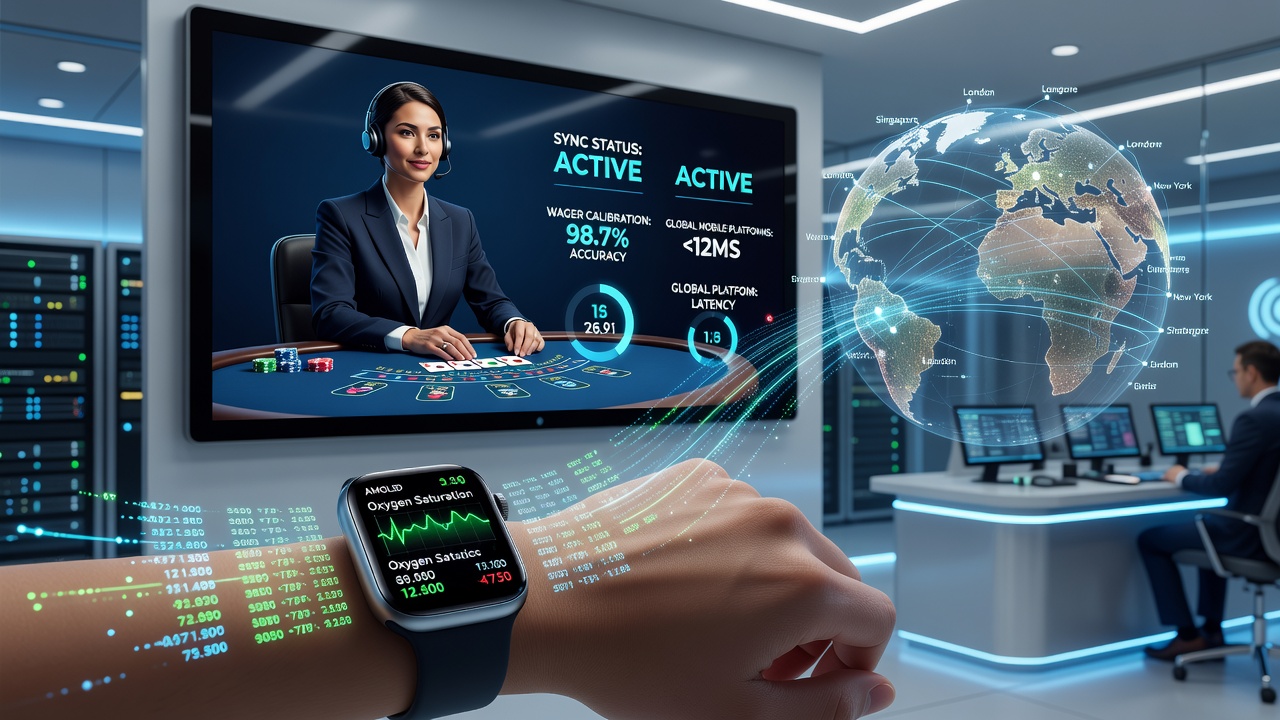
Global mobile platforms have started integrating wearable sensors with live dealer interfaces to enable real-time wager calibration based on biometric data streams. These systems pull inputs from devices such as heart rate monitors and galvanic skin response trackers then feed the information directly into dealer software that adjusts bet parameters during active sessions. Developers have focused on low-latency protocols that keep the synchronization under 200 milliseconds so players experience no visible delay between sensor readings and interface responses.
Core Technology Components
Wearable sensors collect physiological signals including pulse variability and skin conductance then transmit encrypted packets to mobile applications that interface with centralized dealer servers. Live dealer platforms use these packets to modulate wager limits in real time, raising or lowering maximum bet sizes according to pre-set algorithms that interpret arousal levels. Software engineers have built APIs that connect consumer-grade fitness bands to proprietary casino backends while maintaining compliance with data protection standards across multiple jurisdictions.
Hardware manufacturers have released specialized modules that pair directly with gaming apps through Bluetooth Low Energy connections. These modules sample data at 100 Hz rates and apply on-device filtering before forwarding cleaned metrics to the cloud layer. Platform operators report that the filtered data allows dealers to calibrate table stakes dynamically without interrupting the flow of card dealing or wheel spinning sequences.
Implementation Across Regions
European operators began pilot programs in early 2025 that linked smartwatch sensors to roulette and blackjack tables streamed from Malta-based studios. By June 2026 several platforms had expanded these trials to include blackjack side bets where wager amounts shift according to detected stress patterns. Regulatory bodies in the European Union have issued guidance requiring explicit player consent for biometric data use and mandatory audit trails for every calibration event.
Asian markets have adopted similar frameworks with additional emphasis on mobile network optimization. Operators in Singapore and Macau have tested 5G edge computing nodes that process sensor streams locally before they reach dealer interfaces, reducing round-trip latency to under 50 milliseconds. Government agencies in these regions have required that all biometric calibration logs remain stored within national data centers for a minimum of five years.
Data Flow and Calibration Algorithms
The calibration process begins when a player activates sensor syncing through the mobile app settings menu. Once connected the system establishes a secure websocket channel that carries continuous biometric updates to the dealer software. Algorithms analyze rolling windows of data, typically 30 seconds long, then apply threshold rules that trigger wager adjustments. For example a sustained increase in heart rate above a baseline may prompt an automatic reduction in maximum bet size while stable readings allow the original limits to remain active.
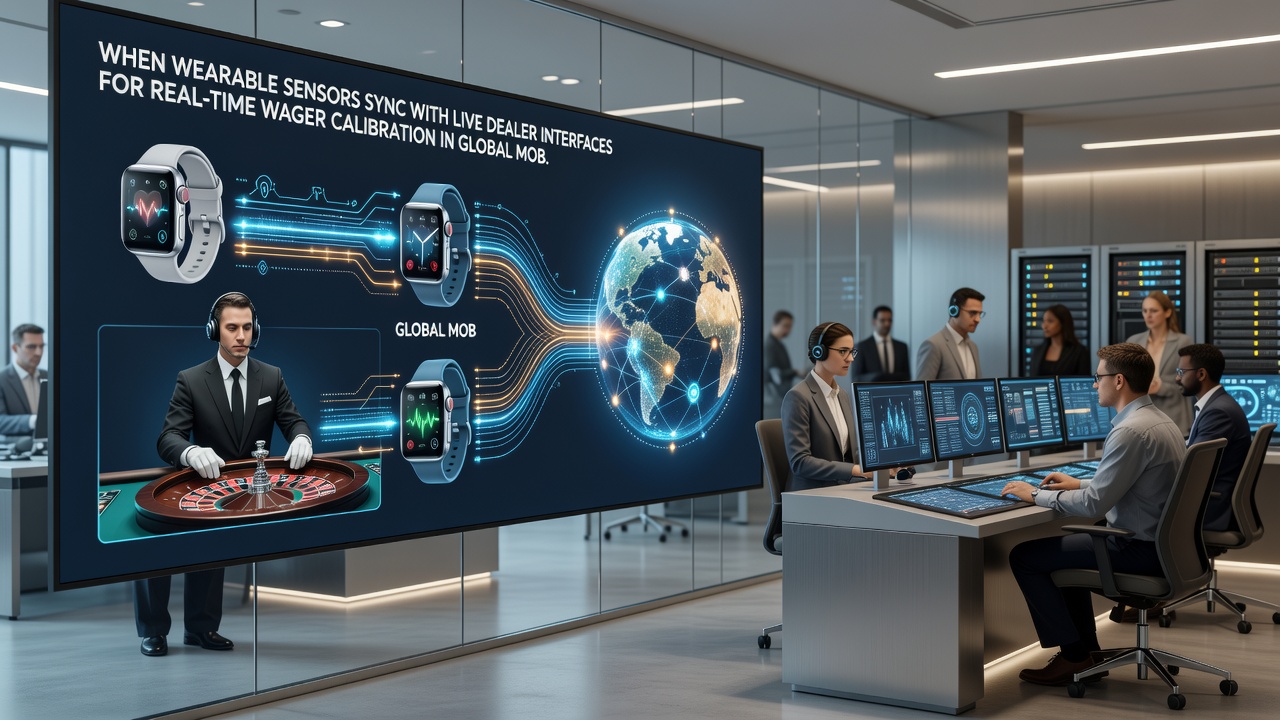
Platform documentation shows that these algorithms incorporate machine learning models trained on anonymized historical datasets collected from thousands of sessions. The models identify patterns that correlate with responsible play behaviors and feed those insights back into the calibration engine. Developers have documented that false positive triggers, where the system adjusts bets without corresponding player intent, occur at rates below 3 percent in controlled tests.
Regulatory and Security Considerations
Authorities in Australia have required operators to submit detailed technical specifications for biometric calibration systems before granting approval for commercial deployment. The specifications must demonstrate that sensor data cannot be used to identify individual players when separated from account information. Similar requirements appear in Canadian provincial regulations where independent testing labs verify encryption standards and access controls before platforms receive operating licenses.
Security researchers have examined the attack surface created by continuous data streams and identified several mitigation strategies including token-based authentication and automatic session termination after prolonged sensor disconnection. Industry groups such as the European Gaming and Betting Association have published best-practice documents that outline minimum encryption levels and regular penetration testing schedules for these integrated systems.
Player Experience Metrics
Usage statistics released by major platform providers indicate that players who enable sensor syncing complete an average of 18 percent more hands per session compared with those using standard interfaces. Session length data shows a modest increase in average play duration while voluntary break rates remain consistent with non-synced sessions. These figures come from aggregated reports submitted to regulatory bodies in multiple jurisdictions and cover activity through the first half of 2026.
Interface designers have incorporated visual indicators that display current calibration status without revealing underlying biometric values. Players see simple status icons that confirm active syncing and note when wager limits have been adjusted by the system. This approach maintains transparency while preserving the privacy of physiological data.
Future Development Pathways
Research institutions continue to explore additional sensor types including electroencephalogram headbands that could provide direct neural activity readings for even finer wager calibration. Early laboratory trials have focused on signal quality during physical movement and the impact of environmental noise on accuracy. Industry observers note that integration timelines will depend on both hardware miniaturization and further regulatory clarity regarding neural data handling.
Cross-platform compatibility efforts have produced draft standards that allow a single wearable device to interface with multiple operator backends through unified APIs. These standards aim to reduce development overhead for smaller studios while ensuring consistent calibration behavior across different live dealer environments.
Conclusion
The synchronization of wearable sensors with live dealer interfaces represents a measurable advancement in mobile gaming infrastructure that ties biometric inputs directly to wager parameters. Global operators have implemented these systems under varying regulatory frameworks while maintaining focus on data security and player transparency. Continued refinement of algorithms and hardware will determine how widely these calibration features appear across additional markets in the coming years.