Streamer-Hosted Interactive Sessions Merge Live Broadcasts with Real-Time Wagering Features
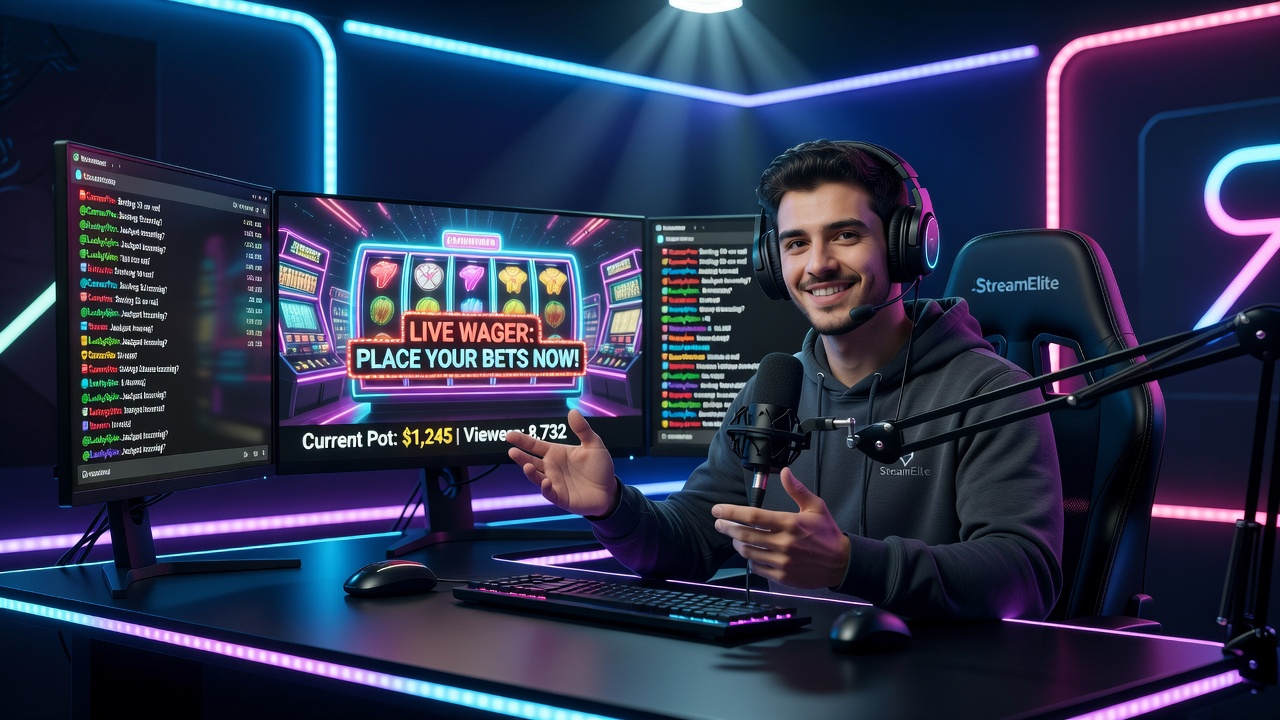
Streamer-hosted interactive sessions combine live entertainment broadcasts with integrated wagering tools that let viewers place bets during ongoing streams, and these formats have expanded across multiple platforms since 2024. Broadcasters deliver gameplay, commentary, or event coverage while software overlays allow real-time bets on outcomes such as match results, prediction polls, or in-stream challenges, and viewers interact through chat commands or dedicated apps that sync directly with the broadcast feed.
Operators connect these systems using application programming interfaces that pull data from the stream itself, update odds dynamically, and settle wagers within seconds of each event conclusion. Data from industry monitoring groups shows participation in such sessions increased notably in the first half of 2026, with several major platforms reporting higher viewer retention when wagering elements remain active throughout the broadcast.
Platform Mechanics and Integration Methods
Technical setups rely on low-latency video delivery paired with secure transaction layers that handle deposits, bet placement, and payouts without interrupting the viewing experience, and many services embed these features inside existing streaming software rather than requiring separate applications. Viewers often see on-screen prompts that highlight available wagers, while backend systems verify location compliance and account status before accepting any stake.
Some providers incorporate prediction market mechanics where participants wager on viewer-submitted questions or streamer performance metrics, and these elements run alongside traditional game betting to maintain engagement across longer sessions. As of July 2026, several North American and European operators had introduced tiered reward structures that grant bonus credits for consistent participation in multiple consecutive streams.
Regulatory Landscape Across Regions
Regulatory bodies in different jurisdictions address these hybrid formats through existing online gambling frameworks, and the Malta Gaming Authority has issued guidance clarifying how live-stream integrations must maintain separation between entertainment content and financial transactions. In the United States, state-level regulators continue to evaluate whether certain interactive features fall under sports betting statutes or require additional licensing categories.
A report from the American Gaming Association outlines compliance considerations for platforms operating across multiple states, noting that geo-fencing and age verification remain core requirements. Australian authorities have similarly updated consumer protection standards to cover real-time wagering interfaces that appear during live digital broadcasts.
Audience Engagement Patterns and Data Trends
Analytics platforms track metrics such as average session duration, bet frequency per viewer, and conversion rates from free viewers to wagering participants, and these figures indicate that interactive elements can extend watch times compared with standard streams. Observers note that chat activity spikes during periods when new betting options appear on screen, creating feedback loops that influence both streamer pacing and wager variety.
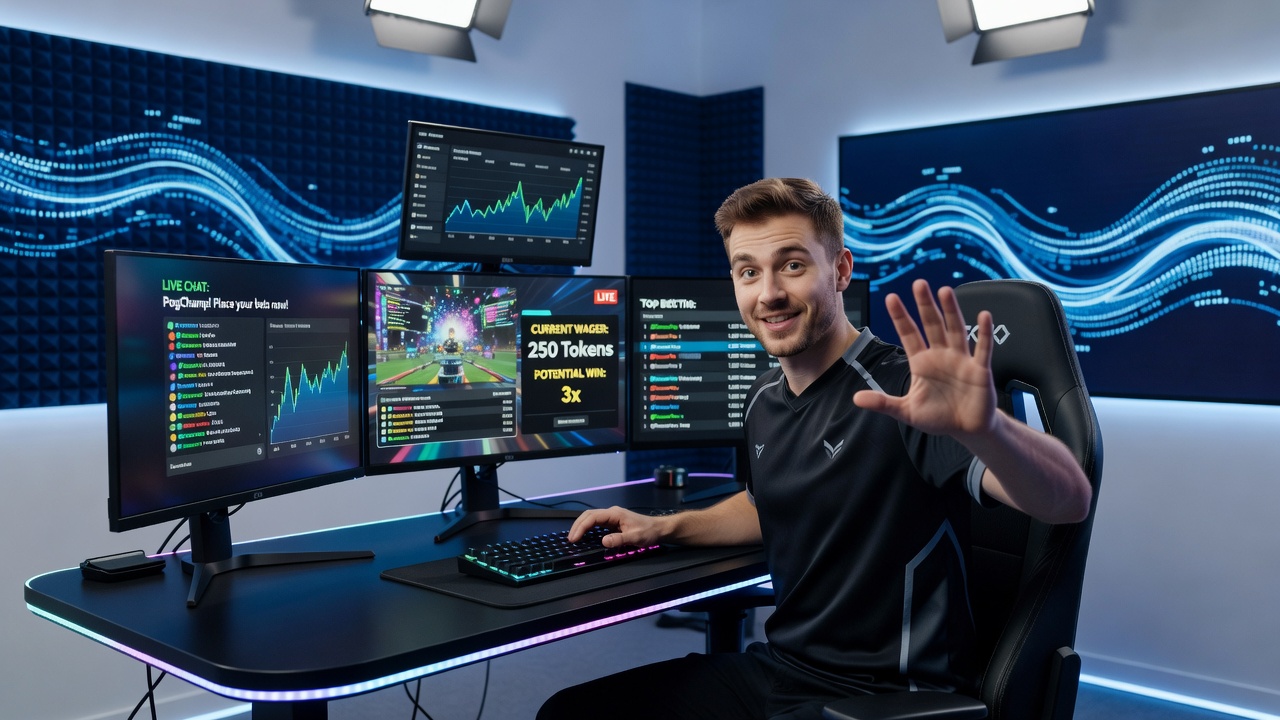
Research conducted by academic groups examining digital gambling behavior has identified correlations between stream length and overall wager volume, with sessions exceeding two hours showing higher cumulative stakes per active user. Platforms use these insights to adjust scheduling and feature placement, and several services now provide streamers with dashboards displaying anonymized engagement data that helps refine content pacing.
Technical Security and Fair Play Measures
Security protocols include encrypted data streams, multi-factor authentication for account access, and continuous monitoring for irregular betting patterns that might indicate manipulation attempts. Independent testing laboratories certify random number generators and settlement algorithms used in these sessions, and operators publish audit summaries at regular intervals to maintain transparency with both regulators and participants.
Some platforms partner with academic institutions to study responsible gambling interventions within live environments, testing features such as session timers and voluntary spending limits that activate during extended broadcasts. Figures from European trade associations indicate that adoption of these tools has grown steadily through mid-2026 as more operators integrate them into streamer programs.
Future Developments and Industry Outlook
Emerging technologies such as improved latency reduction and enhanced overlay customization continue to shape how these sessions evolve, and developers explore ways to incorporate augmented reality elements that visualize bet outcomes directly within the broadcast frame. Industry conferences scheduled for later in 2026 are expected to feature demonstrations of cross-platform compatibility between major streaming services and regulated wagering providers.
Market analysts tracking global iGaming trends report that streamer-hosted formats represent an expanding segment within the broader digital gambling sector, particularly in regions where both live streaming and online betting enjoy established regulatory frameworks. Continued collaboration between technology providers, content creators, and oversight bodies will determine the pace of further integration in coming months.
Conclusion
Streamer-hosted interactive sessions represent a convergence of entertainment delivery and regulated wagering infrastructure that continues to develop under varying regional rules. Technical capabilities, audience data, and compliance requirements together shape how these formats operate today, and ongoing adjustments reflect both technological progress and evolving oversight standards across multiple jurisdictions.