Inside the Mechanics of Tiered Reward Systems That Enhance Player Retention at Virtual Betting Destinations
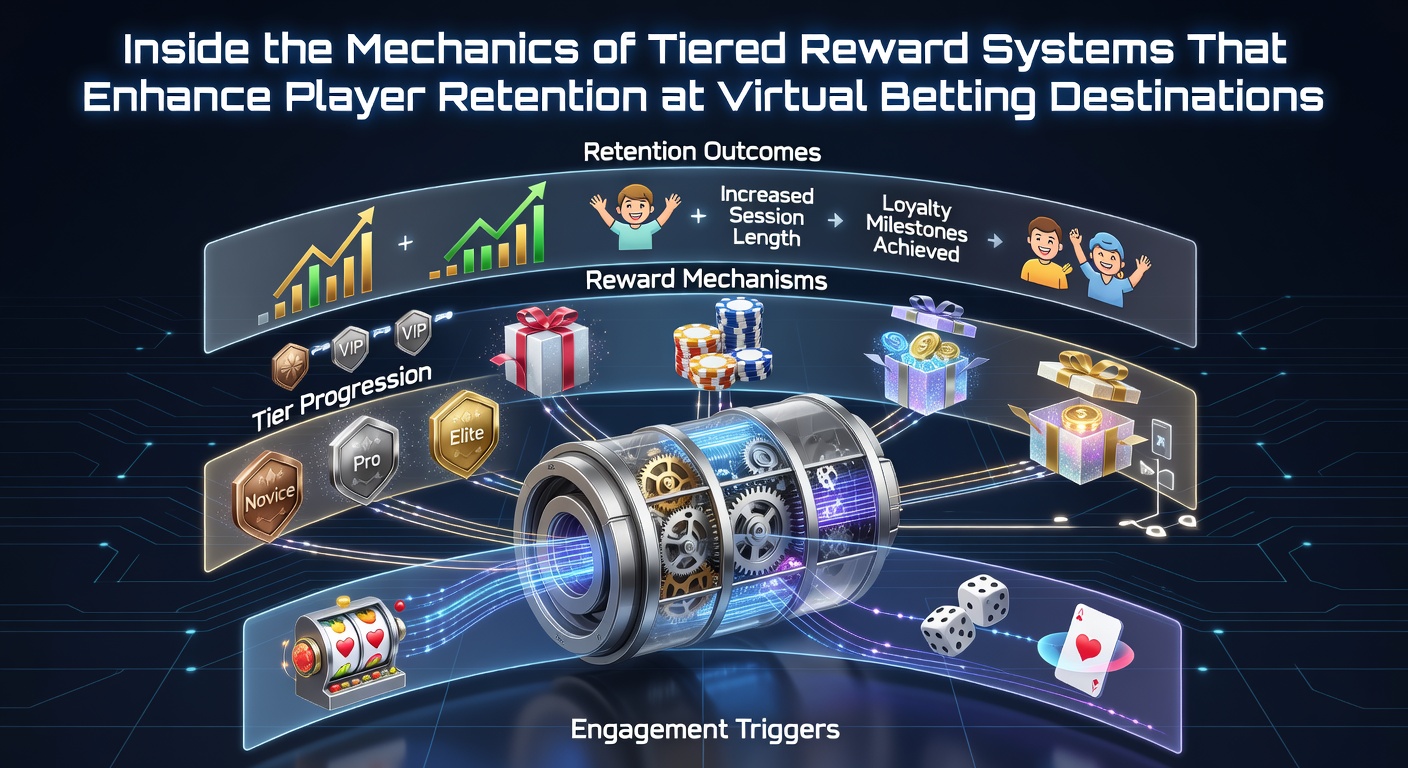
Virtual betting destinations rely on structured reward programs that divide players into ascending tiers based on activity levels and these systems operate through points accumulation tied directly to wager volumes across slots, table games, and sports markets. Operators calculate points using formulas that award higher multipliers for certain games or during promotional windows, creating a clear path from entry-level status to premium access where cashback percentages climb from 5 percent at base tiers to 15 percent or more at the top.
Core Mechanics Behind Points and Tier Progression
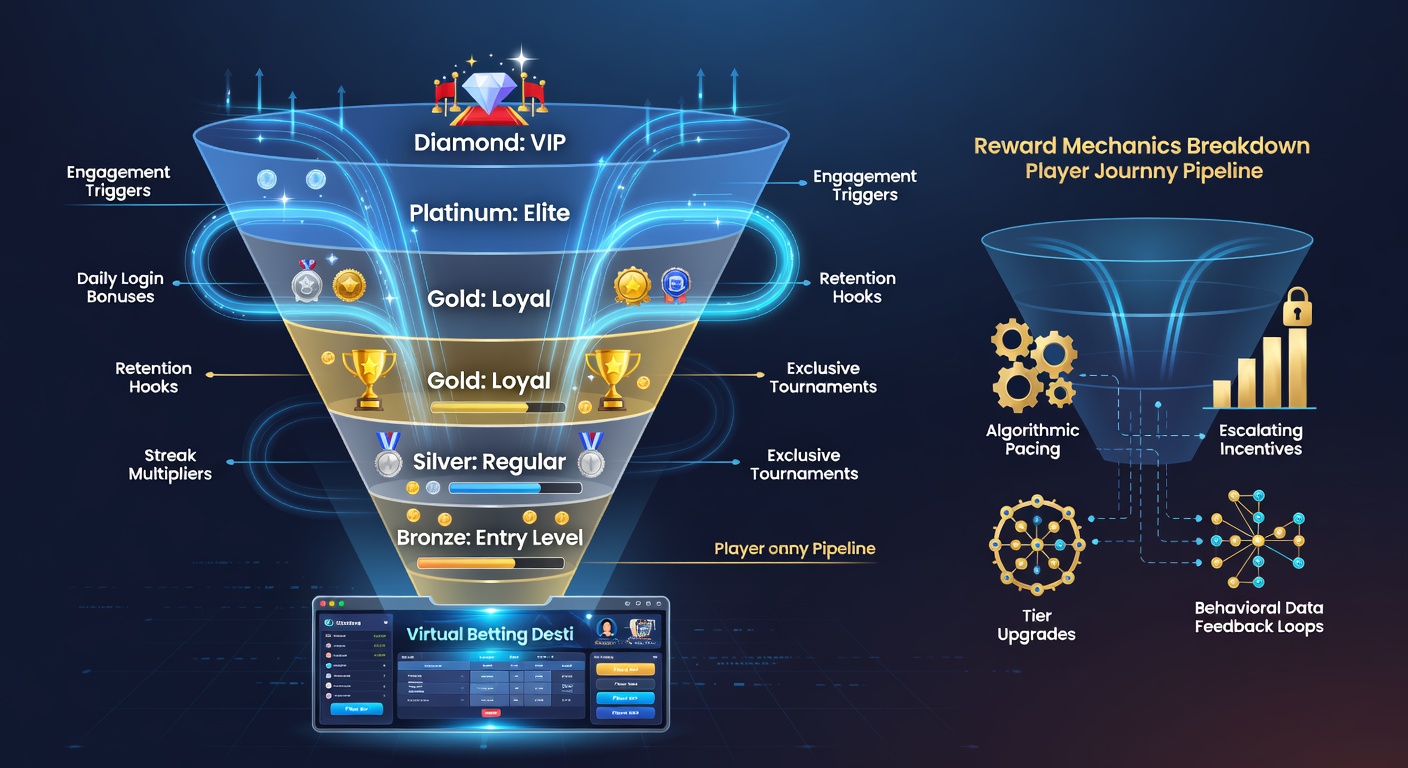
Each platform defines its own earning rates yet most follow similar patterns where real-money bets convert to loyalty points at rates such as one point per dollar wagered on slots and lower rates on sports or live dealer tables. Players advance when cumulative points hit predetermined thresholds that reset monthly or quarterly depending on the operator's calendar and this structure encourages consistent participation because falling below activity minimums can drop users back to lower tiers. Data from industry reports show that platforms using monthly resets maintain steadier engagement curves compared with annual models.
Algorithms track additional behaviors beyond raw wagering including deposit frequency, game variety, and session length so some sites grant bonus points for trying new titles or maintaining daily logins. These layered calculations feed into automated tier reviews that occur at set intervals and the process remains transparent through in-account dashboards displaying current points, next threshold, and projected benefits at each stage.
Retention Tools Embedded in Higher Tiers
Once players reach mid-level tiers they unlock features such as faster withdrawal processing, dedicated account managers, and invitations to exclusive tournaments where prize pools draw from separate funds rather than standard player pools. Top tiers often include personalized reload bonuses calculated from individual loss or deposit history along with higher withdrawal limits that reduce friction for high-volume users. Observers note that these escalating privileges correlate with longer average account lifespans because the perceived value increases alongside commitment.
Many operators integrate birthday gifts, anniversary rewards, and surprise milestone bonuses that trigger automatically when tier status is active and these gestures arrive through email or push notifications timed to player patterns. Research indicates such timed interventions can lift return rates by noticeable margins during otherwise quiet periods. What's interesting is how the systems also incorporate loss-back mechanisms that scale with tier so higher-ranked players receive larger percentages of net losses returned as playable credit within defined windows.
Regional Variations and Regulatory Influences
European operators tend to emphasize cashback and free spin packages while North American platforms often highlight sports-specific perks such as boosted odds or parlay insurance for loyalty members. Australian sites frequently blend both approaches with added focus on entertainment credits that convert to tournament entries. In May 2026 several major platforms updated their tier structures to comply with new transparency rules requiring clearer display of point expiration policies and this shift has led to more visible progress bars in player interfaces.
Industry organizations like the European Gaming and Betting Association track how these programs affect overall retention metrics across markets and their latest analysis highlights measurable differences between tiered and flat reward models. Platforms in regulated jurisdictions must also balance reward generosity with responsible gambling tools so many now include optional spending caps that still allow tier progression within safer boundaries.
Integration With Broader Marketing and Data Strategies
Tiered systems feed into larger customer relationship management platforms that segment audiences for targeted campaigns and operators use aggregated data to predict when players approach tier thresholds then deploy gentle nudges such as limited-time point multipliers. These interventions help maintain momentum without crossing into aggressive tactics that regulators monitor closely. Figures from academic studies on behavioral reinforcement show that visible progress toward the next tier sustains play sessions longer than static bonus offers alone.
Some destinations layer additional status symbols like custom avatars, leaderboard positions, or virtual lounge access that carry social value within player communities. These non-monetary elements complement financial rewards and create stickiness because users invest time building visible status that resets only if activity drops substantially. External audits of major programs confirm that combining monetary and status-based incentives produces the strongest retention outcomes across diverse player demographics.
Conclusion
Tiered reward mechanics function as dynamic retention engines that translate consistent play into escalating privileges while maintaining operational sustainability through careful point economics and regulatory compliance. Platforms continue refining these structures based on performance data and regional requirements so the systems evolve alongside player expectations and oversight standards. The result remains a framework where progression itself becomes the ongoing incentive that keeps users returning to virtual betting destinations over extended periods.