How Biometric Verification Protocols Alter Account Security Dynamics in Remote Wagering Systems
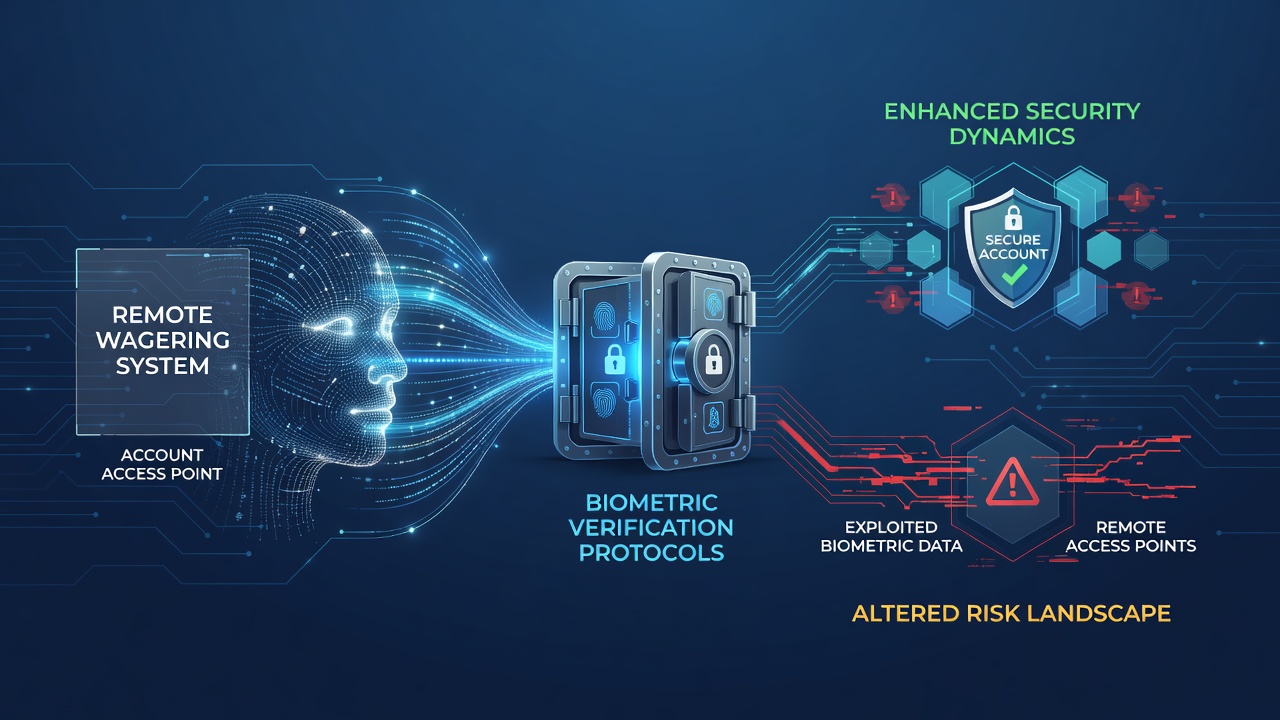
Remote wagering systems have shifted toward biometric verification protocols because these methods replace traditional password and two-factor authentication sequences with physiological or behavioral markers that tie directly to individual users, and data from regulatory filings shows account takeover incidents dropping in jurisdictions where facial recognition and fingerprint matching became mandatory by early 2026. Operators integrate these tools at registration and during high-value transactions, which means verification happens continuously rather than at isolated checkpoints, while the underlying algorithms compare live captures against stored templates held in encrypted databases.
Core Mechanisms Behind Biometric Integration
Systems capture fingerprints through device sensors or facial geometry via camera arrays, then convert those inputs into mathematical templates that servers compare in milliseconds, and this process eliminates the need for users to remember complex credentials that often get reused across multiple platforms. Voice biometrics add another layer during customer support calls, matching vocal patterns against enrollment samples, whereas behavioral biometrics track typing rhythms and navigation habits to flag anomalies without requiring explicit user action. Research from the University of Nevada's gaming technology lab indicates that multi-modal approaches combining two or more biometric types reduce false acceptance rates below 0.1 percent in controlled trials conducted through mid-2026.
Platforms update these templates periodically to account for aging or minor physical changes, and the storage occurs on secure servers compliant with standards set by bodies such as the Nevada Gaming Control Board. When discrepancies arise, the system triggers secondary checks that may include a one-time passcode sent to a verified device or a manual review by compliance staff, which keeps legitimate users moving through the process while isolating potential threats.
Impact on Fraud Patterns and Account Takeovers
Traditional credential theft loses effectiveness once biometrics become the primary gatekeeper, and reports compiled by the Australian Communications and Media Authority document a 47 percent decline in unauthorized access cases among licensed operators that adopted facial recognition between January and June 2026. Account sharing becomes harder because one person's biometric profile cannot authenticate another user, which disrupts the resale of premium betting accounts that previously circulated on underground forums. Money laundering attempts through rapid deposit and withdrawal cycles also face new friction, since each transaction may require fresh biometric confirmation that leaves an immutable audit trail.
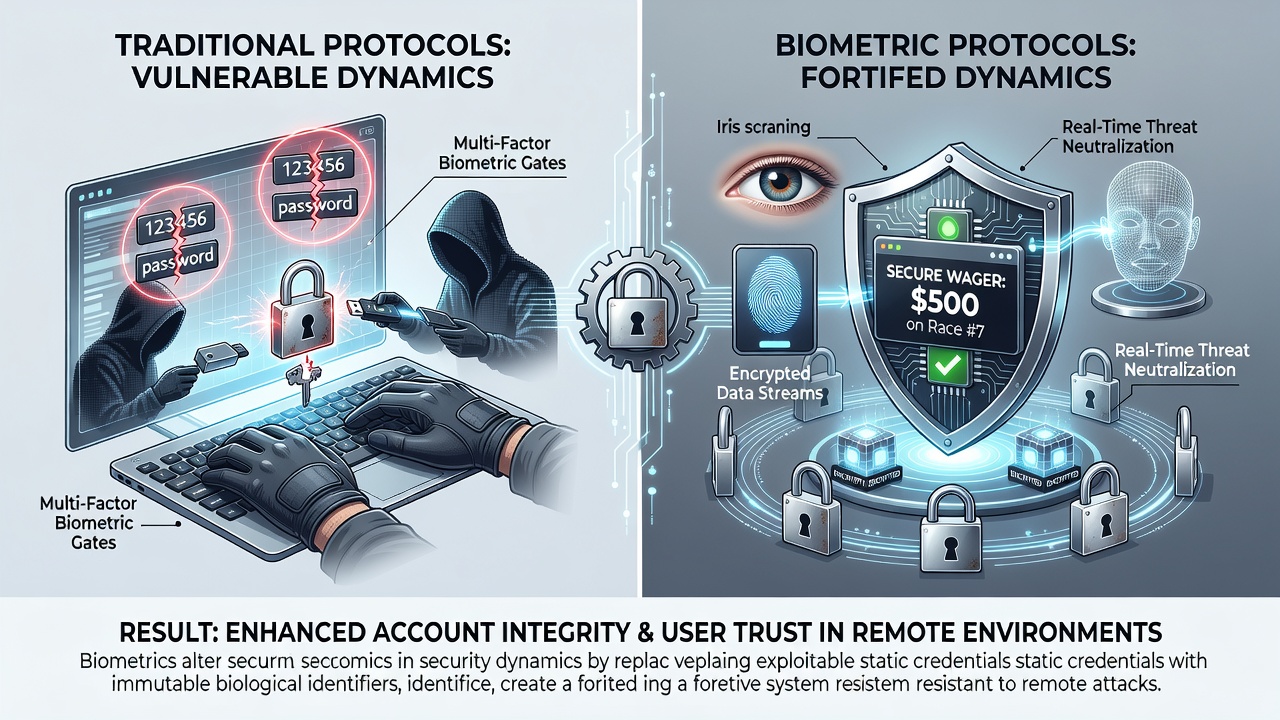
Yet the same immutable records raise questions about data retention periods, and regulators in several Canadian provinces now require operators to delete templates after a defined inactivity window unless users opt into longer storage. This balance between security persistence and privacy rights continues to evolve through ongoing rulemaking that began in spring 2026.
Regulatory Developments and July 2026 Milestones
State and provincial agencies have accelerated biometric mandates during the first half of 2026, with Colorado's updated consumer protection framework requiring all remote operators to implement at least one physiological biometric by July 15. The European Gaming and Betting Association published compliance guidelines in June that emphasize template encryption standards and independent audits, which member companies must follow when serving EU-based customers. These rules also stipulate that users receive clear notices about how their biometric data will be used and under what circumstances it may be shared with law enforcement.
Operators that fail to meet these deadlines face license suspension risks, and several platforms rolled out updated apps in late June to meet the July targets. The changes affect both new account creation and legacy users who must re-enroll, creating a temporary spike in support tickets that companies addressed through automated enrollment kiosks embedded in their mobile applications.
Operational Challenges and Technical Limitations
Lighting conditions, device camera quality, and user movement can affect facial recognition accuracy, which leads some systems to incorporate liveness detection that confirms the subject is physically present rather than a photograph or video replay. Fingerprint sensors on older smartphones sometimes produce higher rejection rates, prompting operators to offer alternative verification paths such as iris scanning on newer hardware. False rejection incidents frustrate users during time-sensitive betting windows, and platforms mitigate this by allowing a limited number of attempts before escalating to human review.
Cost considerations also influence rollout speed, since smaller operators must balance hardware upgrades and software licensing fees against projected reductions in fraud losses. Industry reports from 2026 show that larger networks absorbed these expenses more quickly, while regional platforms formed consortiums to share biometric infrastructure and distribute ongoing maintenance costs.
Future Trajectory of Verification Standards
Advancements in edge computing allow more processing to occur on user devices, which shortens verification times and reduces the volume of raw biometric data transmitted over networks. Researchers continue testing gait analysis and heart-rate pattern recognition as supplementary signals that could operate passively during active wagering sessions. These developments suggest that security dynamics will keep shifting away from static credentials toward dynamic, context-aware checks that adapt to risk levels associated with each transaction.
Conclusion
Biometric verification protocols have redefined how remote wagering systems manage account security by replacing easily compromised credentials with markers that are difficult to replicate or transfer. Regulatory timelines in July 2026 accelerated adoption across multiple jurisdictions, while technical refinements addressed accuracy and privacy concerns that initially slowed implementation. The resulting environment features fewer successful account takeovers alongside new compliance obligations that operators must navigate as the technology matures.