Exploring How Data Analytics Drive Personalization in Virtual Betting Environments for Table Games
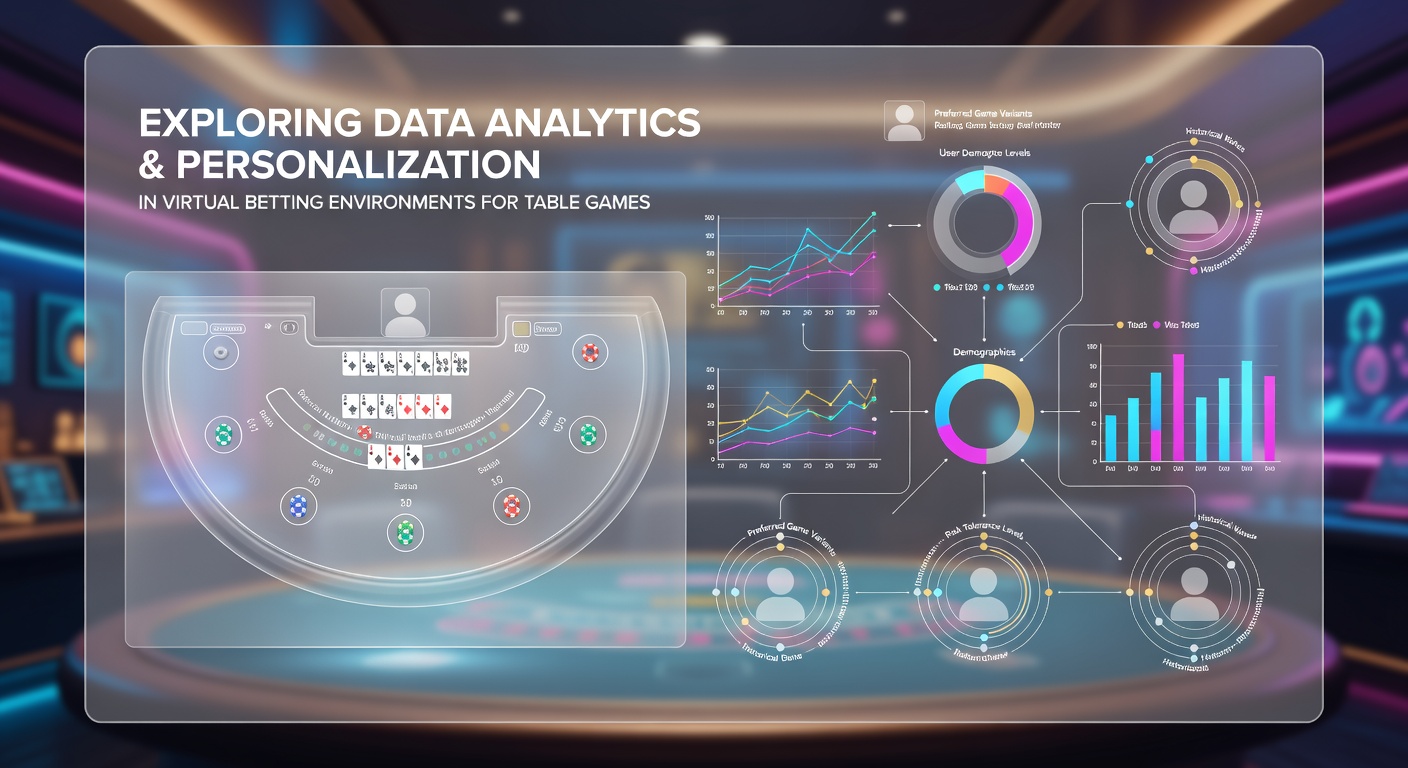
Data analytics has transformed how virtual betting platforms handle table games, turning raw player interactions into targeted experiences that adjust in real time. Platforms collect details on betting frequency, preferred game variants, session duration, and even response times to specific prompts, then feed that information into algorithms designed to refine everything from interface layouts to promotional offers. In May 2026, several major operators reported measurable lifts in session length after rolling out these systems across blackjack and roulette lobbies, according to aggregated figures shared by the Nevada Gaming Control Board.
Core Mechanisms Behind Data Collection
Virtual environments capture granular information through integrated tracking layers that log every wager, decision point, and navigation choice without interrupting gameplay. Machine learning models process these streams to identify clusters of behavior, such as players who favor side bets in blackjack or those who extend roulette sessions when certain wheel animations appear. The resulting profiles allow systems to surface customized table limits, dealer styles, or even background music selections that align with observed patterns, all while maintaining regulatory compliance across jurisdictions.
Personalization Layers in Practice
Once profiles form, platforms apply multiple layers of adjustment. One layer modifies game presentation, for instance highlighting European roulette wheels for users whose data shows a preference for lower house-edge variants. Another layer governs reward timing, delivering reload bonuses or free spin credits at moments when historical data indicates the player is most likely to continue. A third layer influences table matching, pairing users with similarly skilled opponents in multiplayer poker rooms based on hand history analysis. These adjustments occur continuously, recalibrating as new data arrives during the same session.
Studies from the University of Nevada, Las Vegas gaming research division have documented how such layered approaches correlate with higher repeat login rates among table game participants. The research examined anonymized datasets spanning multiple operators and found that users exposed to behavior-driven recommendations completed 18 percent more hands per session on average compared with control groups receiving static interfaces.
Application Across Specific Table Games
Blackjack environments illustrate one clear use case. Analytics engines track whether a player tends to split tens, double down on soft totals, or increase bets after losses, then adjust the speed of card animations or the prominence of strategy hints accordingly. Roulette personalization often centers on wheel selection and betting pattern recognition, prompting players who favor column bets to see those options pre-selected in future rounds. Baccarat platforms apply similar logic to track banker versus player streak preferences, surfacing historical trend overlays that match past engagement spikes. Across these titles, the common thread remains the conversion of historical interaction data into immediate environmental tweaks.

Operators in Australia have adopted comparable frameworks under oversight from the Victorian Commission for Gambling and Liquor Regulation, where mandatory reporting requires disclosure of algorithmic decision factors. This regulatory environment has prompted platforms to maintain transparent audit trails that show exactly which data points trigger each personalization change, a practice now spreading to additional markets.
Integration With Broader Platform Ecosystems
Personalization does not operate in isolation. Data flows connect table game modules with broader account management systems, allowing cross-game insights to influence table game recommendations. A user who frequently plays high-volatility slots may receive table game suggestions featuring wider betting ranges, while a conservative sports bettor might see lower-stakes blackjack tables highlighted first. These connections rely on unified data lakes that consolidate information across product verticals, a setup many platforms finalized during 2025 infrastructure upgrades.
Security protocols accompany these integrations, encrypting player identifiers and applying differential privacy techniques so that individual identities remain protected even when aggregate trends inform new features. Industry reports from the Canadian Gaming Association note that operators investing in these safeguards have experienced fewer regulatory inquiries related to data handling practices.
Challenges and Ongoing Adjustments
Despite clear operational benefits, several technical and regulatory hurdles persist. Data latency can delay personalization updates during peak traffic periods, leading some platforms to implement edge computing nodes closer to player regions. Privacy regulations continue to evolve, requiring frequent model retraining to exclude variables that newly enacted rules deem sensitive. Platform teams address these issues through iterative testing cycles that measure both engagement metrics and compliance scores before wider deployment.
Conclusion
Data analytics now underpins nearly every aspect of personalization within virtual table game environments, converting passive player activity into active, responsive features that evolve throughout each session. As platforms refine their models and regulators standardize disclosure requirements, the relationship between collected information and delivered experience continues to tighten, shaping how table games function across global markets.