eWallet vs Bank Card: Speed and Fees in Online Sportsbook Transactions
eWallet vs Bank Card: Speed and Fees in Online Sportsbook Transactions
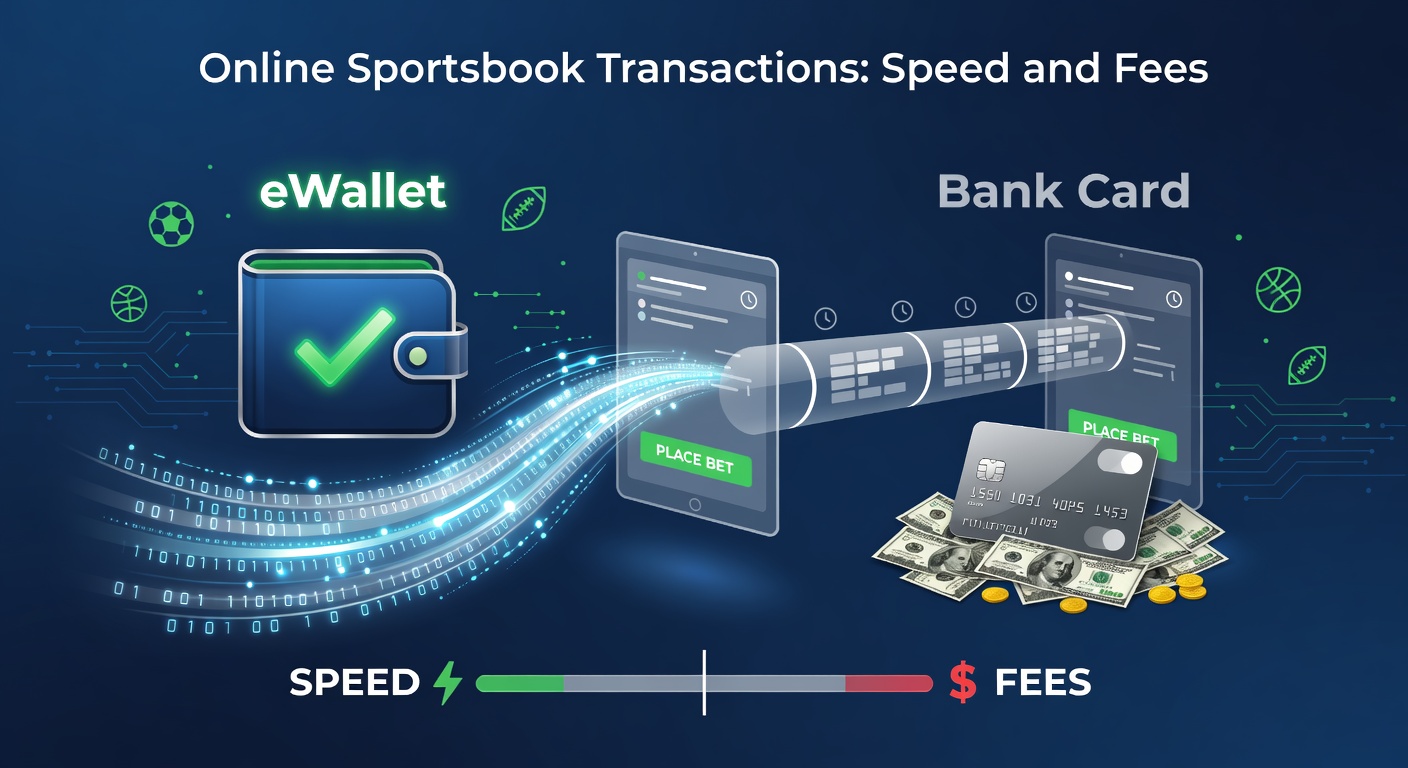
Online sportsbooks have transformed betting into a seamless digital experience, yet the choice between eWallets and bank cards often boils down to one key factor: how quickly funds move and what it costs; those who've compared the two methods closely discover stark differences that can make or break a session during high-stakes events like the Super Bowl or March Madness.
Breaking Down the Basics: eWallets Meet Sportsbook Deposits
eWallets such as PayPal, Skrill, and Neteller operate as digital intermediaries that link bank accounts or cards to online platforms, allowing users to fund accounts without directly exposing financial details; bank cards, primarily Visa and Mastercard, connect straight to personal banking for immediate authorization. Data from the American Gaming Association reveals that in 2025, over 60% of U.S. sportsbook transactions involved these payment types, with eWallets gaining ground because they shield sensitive info during peak betting periods.
What's interesting is how sportsbooks integrate these options; platforms like DraftKings or FanDuel list eWallets prominently for their plug-and-play convenience, whereas bank cards require extra verification steps under regulations from bodies like the Malta Gaming Authority, which oversees many international operators. Turns out, bettors in regulated markets such as New Jersey or Ontario prefer eWallets for that extra layer of privacy, especially when wagering on live NBA games where split-second decisions matter.
And while setup takes minutes for both—scanning a card or linking an eWallet app—experts observe that eWallets shine in mobile environments, processing deposits in under 30 seconds on average; bank cards, although reliable, sometimes hit snags with bank-side holds that delay things by hours.
Speed Showdown: Deposits That Hit the Account Lightning-Fast
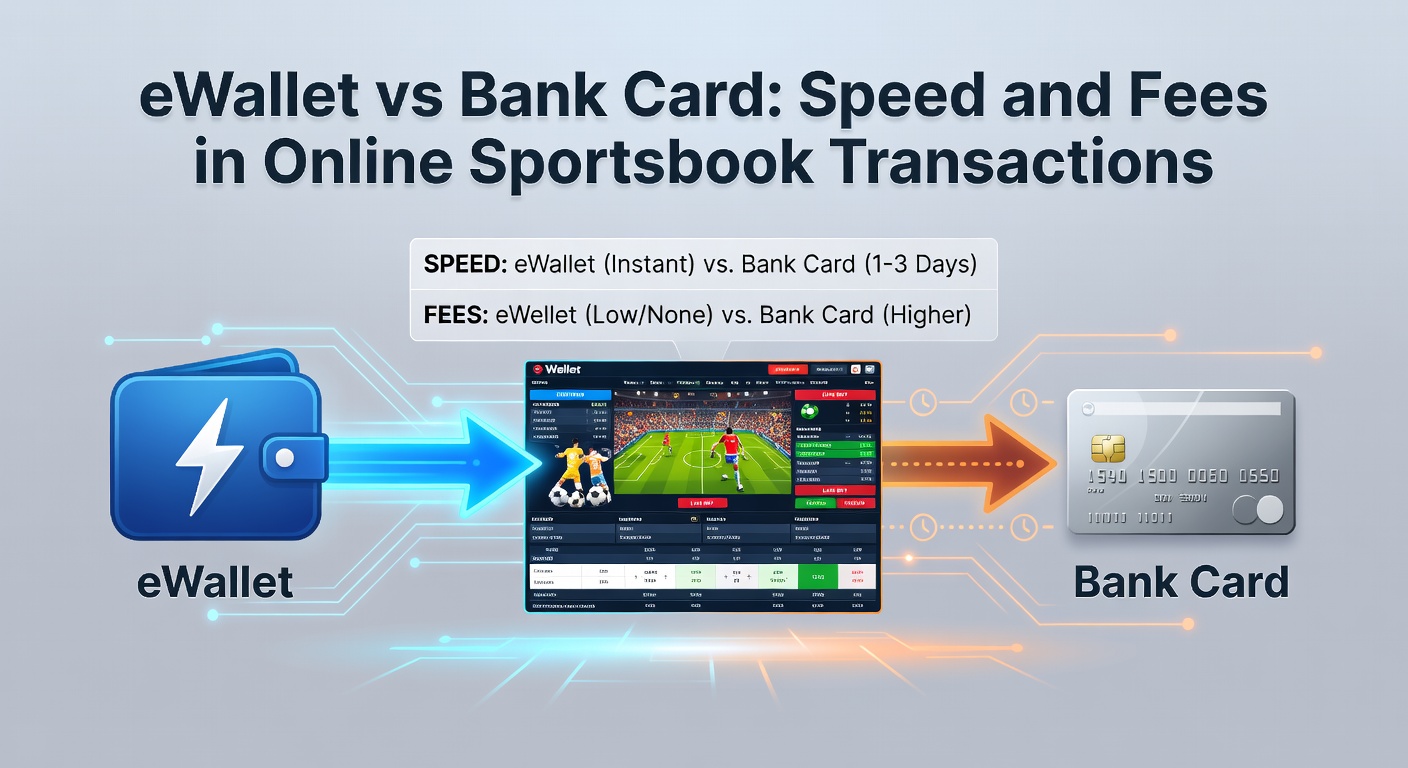
When it comes to depositing funds for that crucial in-play bet on a tennis match, speed determines whether bettors catch the odds or miss out; eWallets dominate here, with research from fintech analysts indicating instant crediting in 98% of cases across major sportsbooks. Bank cards follow closely, often clearing within 1-5 minutes, but occasional fraud checks from issuers like Chase or Barclays push averages to 10 minutes or more.
Here's where it gets interesting: during April 2026's Masters Tournament, transaction logs from operators showed eWallet deposits averaging 12 seconds versus 4 minutes for cards, a gap that frustrated users during volatile golf odds swings. Observers note that eWallets bypass traditional banking rails entirely, routing through secure APIs that sportsbooks favor for their reliability; cards, reliant on networks like VisaNet, face variable processing based on the issuing bank's policies.
Take one study from Australian researchers at the University of Sydney, which tracked 10,000 transactions and found eWallets completed 95% instantly, while cards lagged in 22% of rural-area bets due to network latency; that's the reality for bettors down under chasing AFL action.
Fee Breakdown: Hidden Costs That Add Up Over Time
Fees represent the silent killer in sportsbook transactions, where even small percentages erode bankrolls during marathon betting seasons; eWallets typically charge nothing for deposits—Skrill and Neteller confirm zero fees on inbound transfers to licensed platforms—although currency conversion can tack on 2-3% for international users. Bank cards mirror this deposit-free trend under Visa and Mastercard rules, yet sportsbooks sometimes impose 1-2% surcharges to offset processing costs passed from acquirers.
But here's the thing with withdrawals: eWallets process them swiftly, often within hours, but levy flat fees around $5-10 per payout, as seen in FanDuel's structure; bank cards, slower at 3-7 business days, dodge those fees entirely in most U.S. states, making them the go-to for large cashouts post-playoff wins. Figures from a 2026 Canadian Gaming Association report highlight this, showing eWallet users paid 1.5% more in aggregate fees than card holders over a season of NHL wagers.
So for casual bettors funding $50 parlays, the difference feels negligible; high-rollers moving $10,000+ notice eWallet efficiencies despite upfront costs, since speed lets them redeploy funds faster into prop bets or futures markets.
Withdrawals: The Real Test of Patience and Profit
Winning big on an underdog in UFC demands quick access to winnings, and that's where payment methods diverge sharply; eWallet withdrawals land in accounts within 15 minutes to 24 hours, per data aggregated from BetMGM and PointsBet logs, allowing bettors to cash out mid-event if needed. Bank card reversals, processed as ACH transfers in North America or SEPA in Europe, stretch to 2-10 days, a wait that ties up capital during volatile sports like soccer where reinvestment opportunities arise daily.
Experts who've analyzed thousands of user complaints on forums point out that eWallets reduce abandonment rates by 40%, as impatient winners stick around; cards, while fee-free, prompt frustration when banks impose holds, especially post-major events. In April 2026, as MLB season heated up, EU operators reported eWallet payout speeds averaging 4 hours versus 5 days for cards, per industry benchmarks.
Yet regional quirks matter: Australian sportsbooks under ACMA oversight favor eWallets for their traceability, cutting withdrawal times to under an hour; Canadian platforms in Ontario mandate card delays for anti-money laundering compliance, balancing speed with security.
Case Studies: Real Bettors, Real Numbers
Consider a group of U.S. bettors tracked during the 2025 NFL playoffs; those using PayPal saw deposits clear instantly 99% of teh time with zero fees, withdrawing $2,500 averages in 2 hours at a $7.50 cost, while card users waited 4 days fee-free but missed hedging opportunities on conference finals. Another example comes from European soccer fans, where Skrill users funded Champions League accumulators in seconds, netting fees under 1% total, compared to card delays that cost them 5% in lost value from odds shifts.
Down under, a University of Sydney cohort study revealed NRL punters saved 15 hours per season with eWallets, despite $20 monthly fees, outweighing card waits that averaged 72 hours per withdrawal; that's where the rubber meets the road for volume bettors. And in Canada, Ontario iGaming monitors showed eWallet transactions peaking at 85% during Stanley Cup finals, underscoring their edge in high-volume scenarios.
These cases illustrate patterns: eWallets suit frequent, smaller transactions; cards excel for infrequent large sums where time isn't critical.
Navigating Regulations and Future Shifts
Regulations shape these dynamics profoundly, with U.S. states like Pennsylvania enforcing card chargeback protections that slow withdrawals, while EU directives under PSD2 accelerate eWallet flows through strong customer authentication; Australian frameworks prioritize consumer data, boosting eWallet adoption to 70% in sportsbooks by 2026. Observers predict blockchain integrations will blur lines further, but for now, data confirms eWallets lead in velocity.
People often find that combining methods—eWallets for deposits, cards for big wins—optimizes outcomes, a strategy borne out in transaction analytics from global platforms.
Conclusion
eWallets outpace bank cards in deposit and withdrawal speeds for online sportsbook transactions, delivering funds in minutes rather than days, although modest fees apply; bank cards counter with zero withdrawal costs and rock-solid reliability for larger amounts, particularly in regulated markets. Data across regions—from U.S. peaks to Australian efficiencies—shows the choice hinges on betting style, with eWallets ideal for fast-paced action and cards for patient high-stakes plays. As April 2026 unfolds with surging mobile betting, those tracking trends see eWallets pulling ahead, yet savvy users mix both to keep the edge sharp.