Decoding Preference Patterns for Alternative Funding Options in Multi-State Digital Gaming Portals
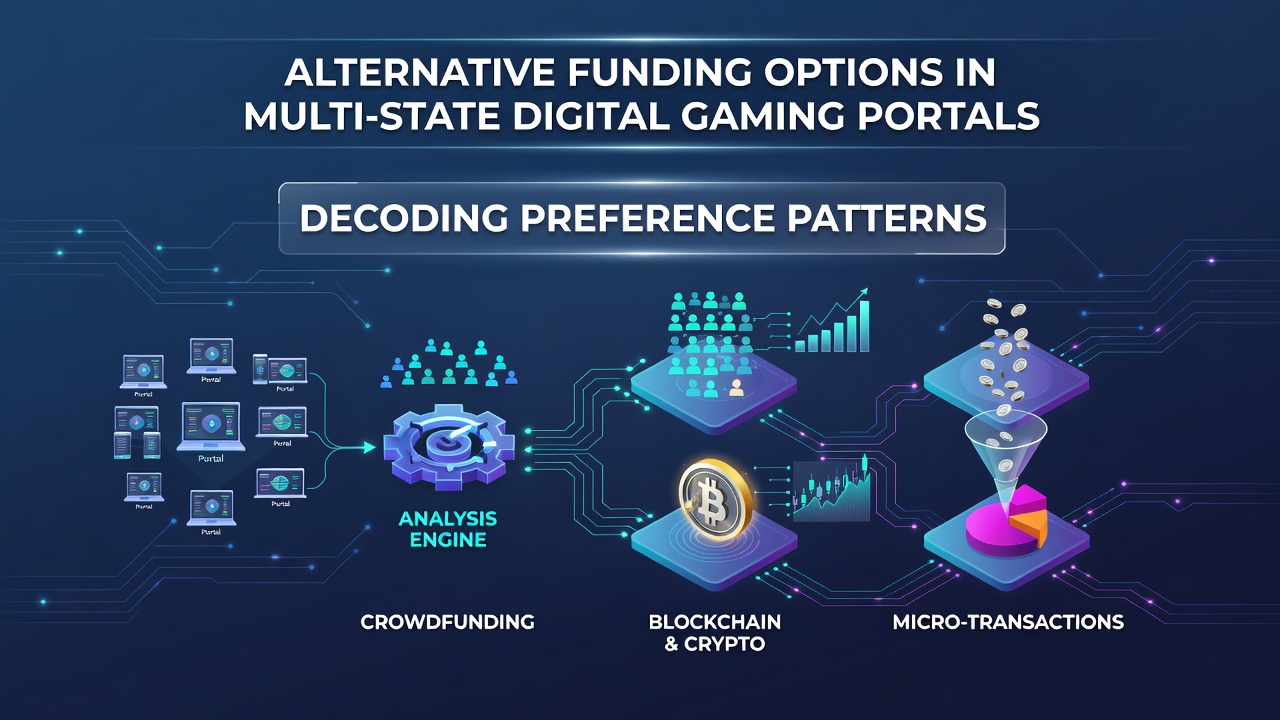
Multi-state digital gaming portals have expanded rapidly since the early 2020s, and players now navigate a patchwork of state regulations that shape which funding methods they choose. Alternative options such as e-wallets, prepaid cards, cryptocurrency transfers, and instant bank pushes have gained traction where traditional credit cards face processing limits or higher fees. Observers note that preference patterns emerge clearly when data from licensed operators across states like New Jersey, Pennsylvania, Michigan, and West Virginia are compared side by side.
Mapping the Landscape of Alternative Funding Methods
Research from industry analysts shows that e-wallet services continue to dominate transaction volumes in states with mature online markets, yet adoption rates for cryptocurrency and prepaid vouchers differ sharply by jurisdiction. In June 2026, aggregated figures from several operators revealed that digital wallet usage accounted for roughly 42 percent of deposits in New Jersey while cryptocurrency transfers represented 11 percent in the same period. Those who track player behavior across borders report that prepaid card options often spike in states where banking regulations restrict direct ACH pulls during the first 30 days of account activity.
What's interesting is how these patterns align with state-specific banking rules rather than pure user preference. Data indicates that operators licensed in multiple states adjust their funding menus to comply with local banking laws, and players respond by gravitating toward the fastest available method that clears without additional verification steps.
Regional Variations and State-Level Data
Figures released by the New Jersey Division of Gaming Enforcement demonstrate that instant bank transfer options grew 19 percent year-over-year through the first half of 2026, while similar data from the Michigan Gaming Control Board shows a steadier preference for prepaid vouchers among players in that market. Experts have observed that border-state users sometimes maintain accounts in two jurisdictions and switch funding methods depending on which portal offers lower withdrawal minimums or faster settlement times.
One study conducted by a Canadian research institute found that players who frequently cross into multiple U.S. markets tend to favor cryptocurrency because it bypasses state-by-state banking friction. The same report noted that users in states with newer legalization frameworks, such as those that launched online gaming after 2024, show higher initial uptake of prepaid solutions until they establish verified banking links.
Regulatory Influences on Payment Preferences
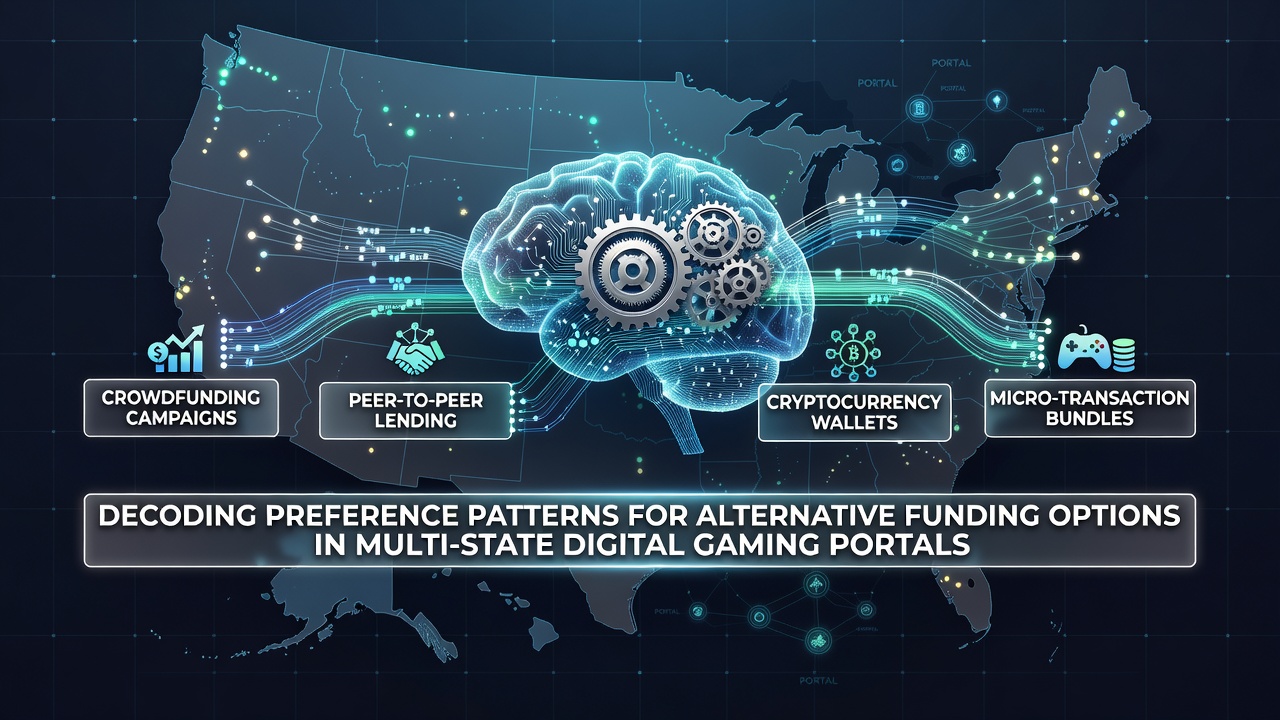
State laws governing financial transactions directly affect which alternative funding options appear on gaming portals. When a state requires additional identity verification for bank-linked deposits, players often migrate toward e-wallets or digital currency that complete verification once at the wallet level. The American Gaming Association has documented cases where operators introduced new prepaid card partnerships within weeks of regulatory changes that limited credit card reload speeds.
But here's the thing: compliance costs for operators rise when they must maintain separate funding integrations for each state, so many platforms prioritize methods that work across the largest number of jurisdictions. This creates a feedback loop where certain alternatives become default choices simply because they reduce operational overhead for the portal rather than because they represent the player's first choice.
Usage Patterns and Transaction Analytics
Transaction analytics from multi-state operators indicate that average deposit sizes via cryptocurrency tend to run 30 percent higher than e-wallet deposits in the same user cohort, though withdrawal frequency remains lower. Researchers tracking June 2026 activity noted that players in states with higher tax rates on gaming revenue showed greater reliance on prepaid cards to manage spending limits more precisely.
Turns out that time-of-day patterns also differ: cryptocurrency deposits cluster during evening hours across most states, whereas e-wallet activity spreads more evenly throughout the day. Those who've examined anonymized datasets point out that users who access portals from multiple states within a single week are twice as likely to maintain at least two distinct funding methods on file.
Technological and Security Factors
Security protocols embedded in alternative funding systems influence long-term preference. When biometric authentication became standard for certain e-wallet providers in early 2026, adoption rates in multi-state portals increased measurably within 60 days according to platform reports. Meanwhile, blockchain-based verification tools have reduced chargeback rates for cryptocurrency deposits, giving operators additional incentive to promote those options in states where fraud prevention remains a priority.
Conclusion
Preference patterns for alternative funding options in multi-state digital gaming portals continue to evolve as operators refine their offerings to match both regulatory requirements and observed player behavior. Data collected through mid-2026 shows clear correlations between state rules, transaction speed, and the methods players ultimately select. As additional states consider legalization and existing markets adjust compliance frameworks, these patterns will likely shift again, with operators and payment processors adapting their integrations accordingly.