Decoding how sound engineering choices shape extended play patterns in digital reel experiences across global platforms
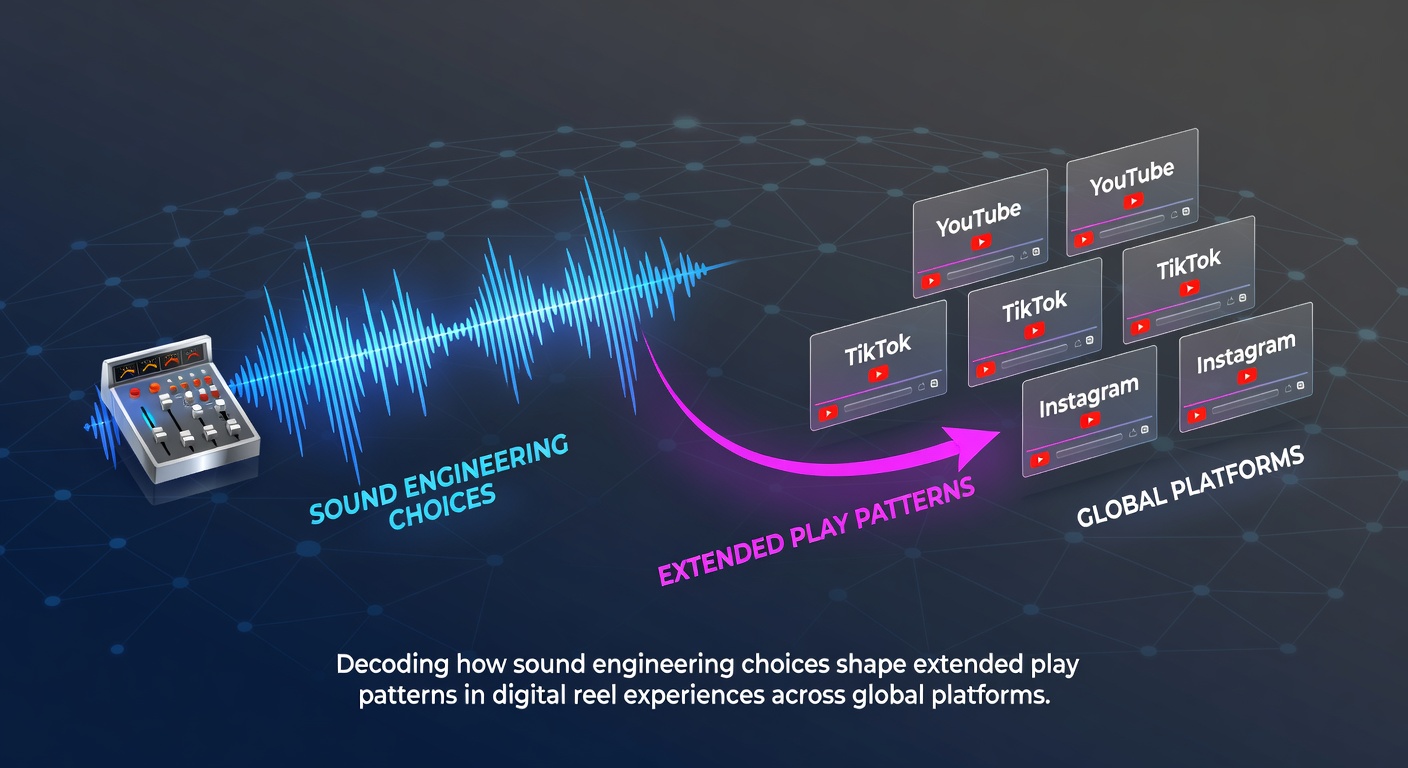
Sound design sits at the core of digital reel platforms, where layered audio tracks guide player attention and influence how long sessions last on mobile and desktop interfaces alike. Engineers build these systems around specific frequencies, tempos, and effects that align with reel mechanics, creating feedback loops that keep users engaged through repeated spins without obvious breaks in rhythm.
Core audio components in reel platforms
Developers layer background music with spinning reel effects, win chimes, and ambient sounds that shift based on bet size or multiplier triggers. These elements combine through digital signal processing tools that adjust volume and timing in real time, matching the visual pace of symbols landing across paylines. Research from the University of Las Vegas International Gaming Institute shows that synchronized audio cues can extend average session duration by aligning player expectations with reward timing.
Platform operators in North America and Europe often test multiple audio profiles during beta releases, tracking metrics like spin count per minute and return visits after initial play. Data collected across these regions indicates that lower-frequency bass lines paired with crisp high-end effects tend to maintain engagement longer than uniform tracks, especially on titles that run for extended periods on tablets and smartphones.
Regional variations in sound implementation
Platforms serving Asian markets frequently incorporate traditional instrument samples and rhythmic patterns drawn from local music traditions, while North American operators lean toward electronic and orchestral hybrids that emphasize big-win announcements. Australian developers have documented how adaptive soundscapes, which change intensity after consecutive losses, correlate with steadier play rates according to figures from the Australian Gambling Research Centre. These choices reflect both cultural preferences and regulatory environments that shape how audio feedback gets calibrated.
Engineers working on cross-border deployments must account for device differences, since mobile speakers compress certain frequencies differently than desktop headphones. Adjustments made in June 2026 updates for several major platforms included refined compression algorithms that preserved clarity on lower-bitrate connections common in emerging markets.
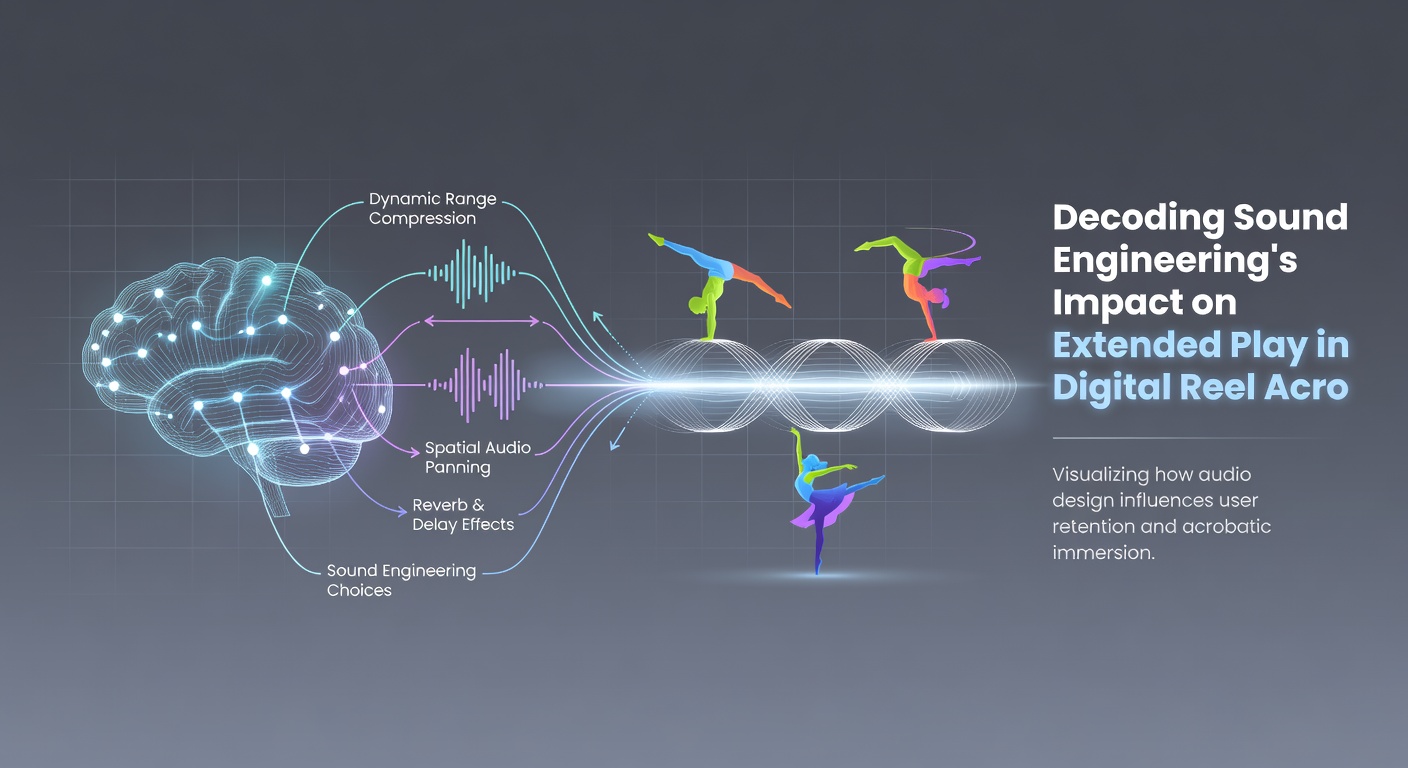
Psychoacoustic principles applied to reels
Sound engineers apply principles of auditory masking and expectation to keep reel cycles feeling dynamic even during extended runs. Short, rising tones that precede symbol stops create anticipation without requiring visual changes alone, while post-win celebratory sequences use harmonic progressions that encourage continued betting. Studies compiled by the Canadian Centre on Substance Use and Addiction have examined how these patterns appear consistently across multiple operators when session logs are analyzed for duration and frequency.
Global platforms now deploy A/B testing frameworks that isolate individual audio tracks, measuring their impact on play patterns through anonymized telemetry. Results from these tests reveal that certain win-celebration sounds prompt immediate re-spins more reliably than others, particularly when the audio volume ramps gradually rather than cutting in abruptly.
Technical tools and platform constraints
Modern reel engines integrate middleware such as FMOD and Wwise to manage thousands of audio assets without exceeding memory limits on mobile devices. These systems allow real-time mixing based on game state, so background intensity drops during bonus rounds while foreground effects rise. Operators in multiple jurisdictions report that such flexibility supports longer continuous play by reducing auditory fatigue that might otherwise prompt breaks.
Bandwidth considerations also factor into choices, especially for live-updating platforms that stream audio elements separately from core game files. Compressed formats preserve essential cues while fitting within data caps that many users encounter during travel or in regions with variable connectivity.
Conclusion
Sound engineering decisions in digital reel environments continue to evolve alongside hardware improvements and cross-platform standards. Data gathered through 2026 demonstrates measurable connections between specific audio configurations and session metrics across diverse markets. Observers tracking these developments note that ongoing refinements in mixing techniques and testing protocols help maintain consistent engagement patterns wherever the platforms operate.