Biometric Authentication Protocols Reshaping Access to Interstate Digital Wagering Platforms

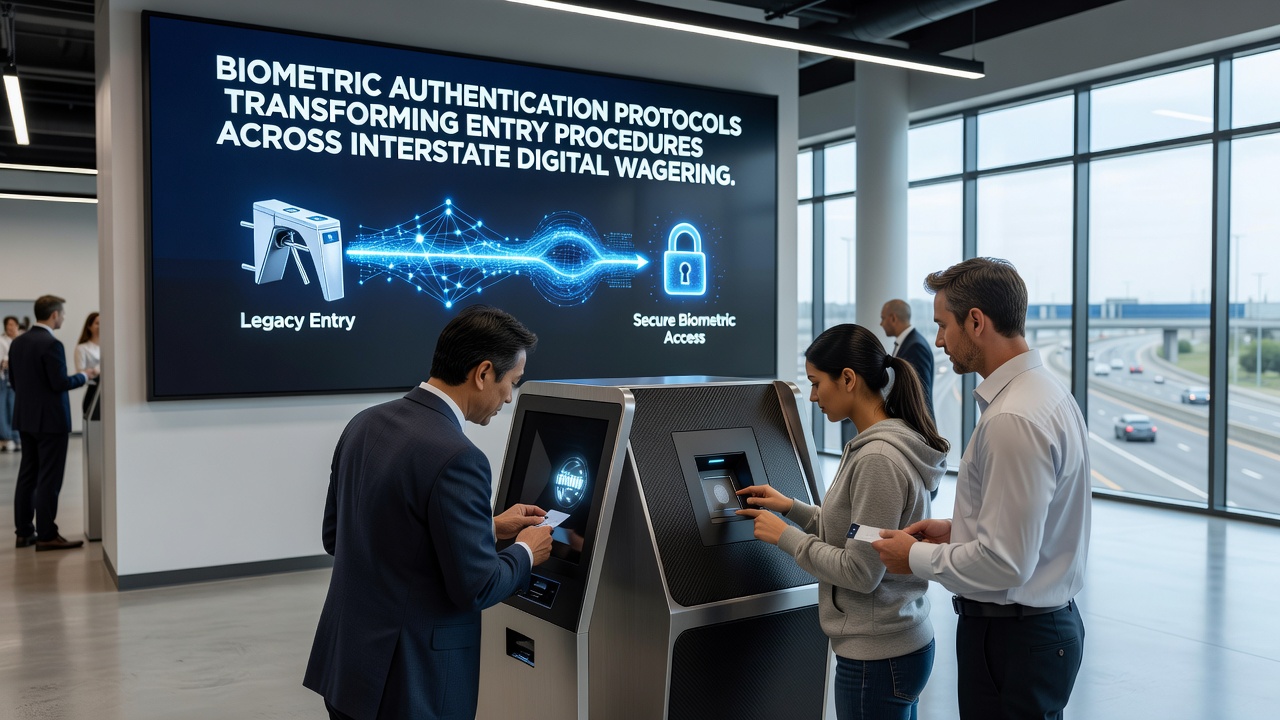
Biometric authentication protocols now handle entry procedures for many interstate digital wagering platforms, replacing traditional password systems with fingerprint scans, facial recognition, and voice patterns that verify user identity in real time. These methods integrate with geolocation tools and age verification databases to meet regulatory requirements across multiple states while maintaining continuous session security throughout betting activities.
Platforms operating in jurisdictions such as New Jersey, Pennsylvania, and Michigan adopted these systems after 2024 regulatory updates that emphasized stronger identity controls for cross-border access. Data from state gaming reports shows adoption rates climbed steadily through early 2026, driven by requirements for multi-factor checks that combine biometrics with device binding and behavioral analytics.
Core Technologies Driving Entry Procedures
Facial recognition algorithms process live images against stored templates during initial login, while fingerprint sensors on mobile devices capture ridge patterns for instant matching before any wagering interface loads. Voice authentication adds another layer during high-value transactions or account recovery steps, analyzing vocal characteristics that remain consistent even when users speak from different locations.
These protocols connect directly to centralized identity repositories maintained by state regulators, allowing platforms to confirm eligibility without storing sensitive biometric data locally on user devices. Integration occurs through encrypted application programming interfaces that transmit only verification results rather than raw biometric samples.
Regulatory Compliance Across State Lines
Interstate wagering operations must satisfy varying rules from bodies including the Nevada Gaming Control Board and the New Jersey Division of Gaming Enforcement, both of which updated their technical standards in 2025 to include biometric mandates for remote account access. Compliance teams now run automated audits that log every authentication event with timestamps and confidence scores from the matching algorithms.
As of June 2026 several platforms expanded these controls to cover additional states entering the market, creating unified entry flows that adapt automatically based on the user's detected location and the specific licensing requirements in force there.
Security Enhancements and Fraud Reduction
Biometric systems reduce account takeover attempts because physical traits cannot be transferred between users the way passwords or one-time codes sometimes are. Industry analyses indicate platforms using multi-modal biometrics recorded measurable drops in unauthorized access incidents compared with earlier password-only setups.
Continuous authentication monitors micro-movements and device handling patterns during active sessions, triggering re-verification if anomalies appear such as sudden location shifts or unusual navigation speeds. This approach supports regulatory demands for ongoing identity assurance without interrupting normal betting flows.
Implementation Patterns Among Major Operators
Large operators rolled out biometric entry in phases, beginning with high-volume sportsbooks before extending coverage to casino-style games and poker rooms on the same platforms. Smaller regional operators followed similar patterns after licensing authorities issued updated technical guidance documents in late 2025.
Training programs for customer support staff now emphasize helping users troubleshoot biometric capture issues, such as poor lighting for facial scans or sensor calibration on older devices, while maintaining strict protocols that prevent bypass requests.
Technical Standards and Interoperability
Standards organizations published updated frameworks that define minimum accuracy thresholds and data protection requirements for biometric templates used in wagering environments. These guidelines promote interoperability so users can access accounts across partnered platforms without repeated full enrollment processes when moving between states.
Encryption protocols wrap biometric data during transmission and storage, with many platforms shifting toward on-device processing that keeps raw samples off central servers entirely. This architecture aligns with emerging privacy expectations while still satisfying audit trails demanded by regulators.
Conclusion
Biometric authentication continues to standardize entry procedures for interstate digital wagering platforms through precise identity matching combined with regulatory data links. Ongoing refinements in algorithm performance and cross-jurisdiction coordination support secure, compliant access as more states authorize expanded operations.