Analyzing How Cultural Events Influence Wagering Trends on Niche Sports Markets in Mobile Applications
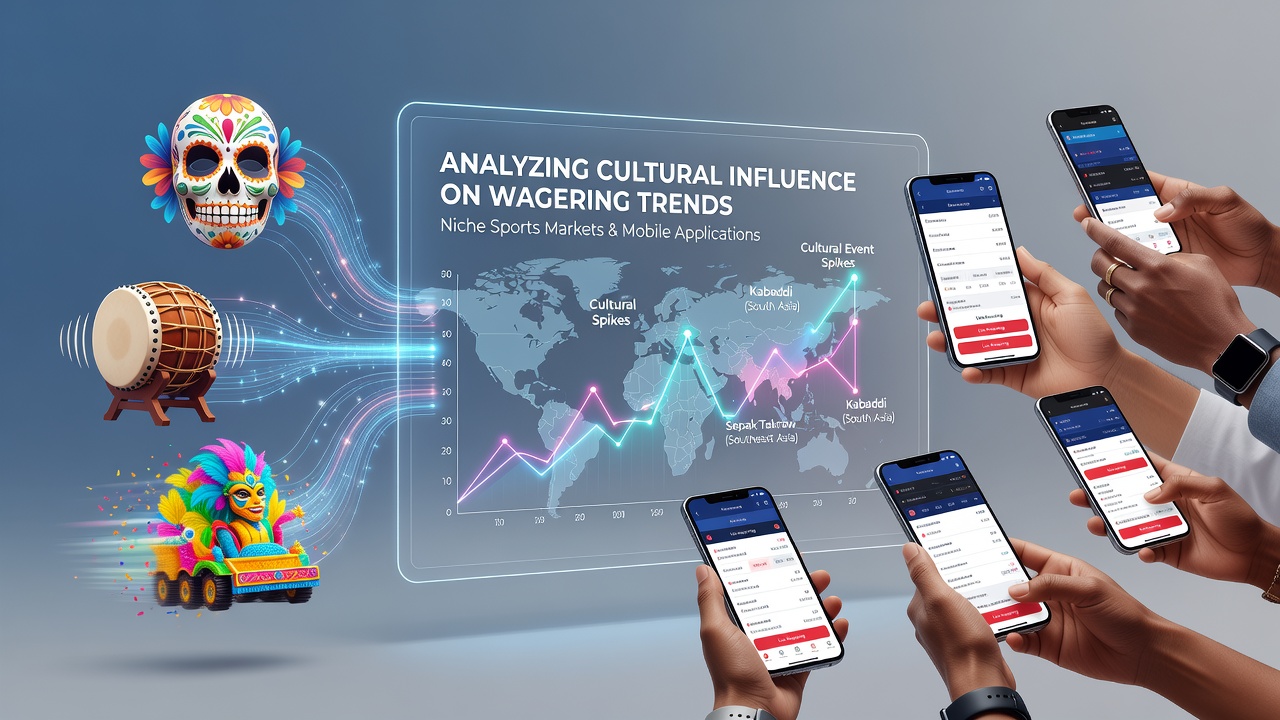
Cultural events create measurable spikes in wagering activity on niche sports through mobile applications, and researchers track these patterns across multiple regions and platforms. Events such as national festivals, regional celebrations, and international competitions draw increased attention to sports that receive limited coverage outside those periods, which in turn shifts betting volumes on specialized markets including table tennis, darts, kabaddi, and beach volleyball.
Mobile applications record these changes through real-time data on user engagement, market creation, and stake distribution. Operators adjust odds and introduce temporary markets tied to specific cultural moments, and analytics platforms capture corresponding rises in participation from users who rarely wager on those sports during ordinary weeks.
Event-Driven Market Expansion in Mobile Environments
During major cultural periods, app developers and sportsbook operators expand their offerings for niche disciplines because participation data shows clear correlations between event timing and user searches. For instance, platforms add live markets for regional wrestling tournaments when local harvest festivals occur, and they extend in-play betting options for badminton when national badminton leagues align with holiday schedules in Southeast Asia.
Analysts at industry research firms note that these expansions occur most frequently in apps that already support multiple languages and regional payment methods. The addition of culturally relevant leagues allows operators to capture short-term interest without requiring long-term infrastructure changes, and the same apps deactivate or reduce visibility of those markets once the event concludes.
Geographic and Demographic Patterns in July 2026
In July 2026, several mobile platforms reported elevated activity around niche combat sports and aquatic events coinciding with summer festivals across Latin America and parts of Europe. Data from app analytics services indicated that users in Brazil increased wagers on beach soccer and futsal markets during Carnival-related celebrations, while participants in Mediterranean countries showed similar movement toward water polo and sailing competitions tied to coastal heritage days.
These patterns emerge because cultural events heighten national or regional identity, and mobile interfaces make it simple for users to place small, spontaneous bets on familiar local athletes or teams. Operators respond by surfacing relevant events higher in app navigation, and push notifications further amplify visibility during peak festival hours.
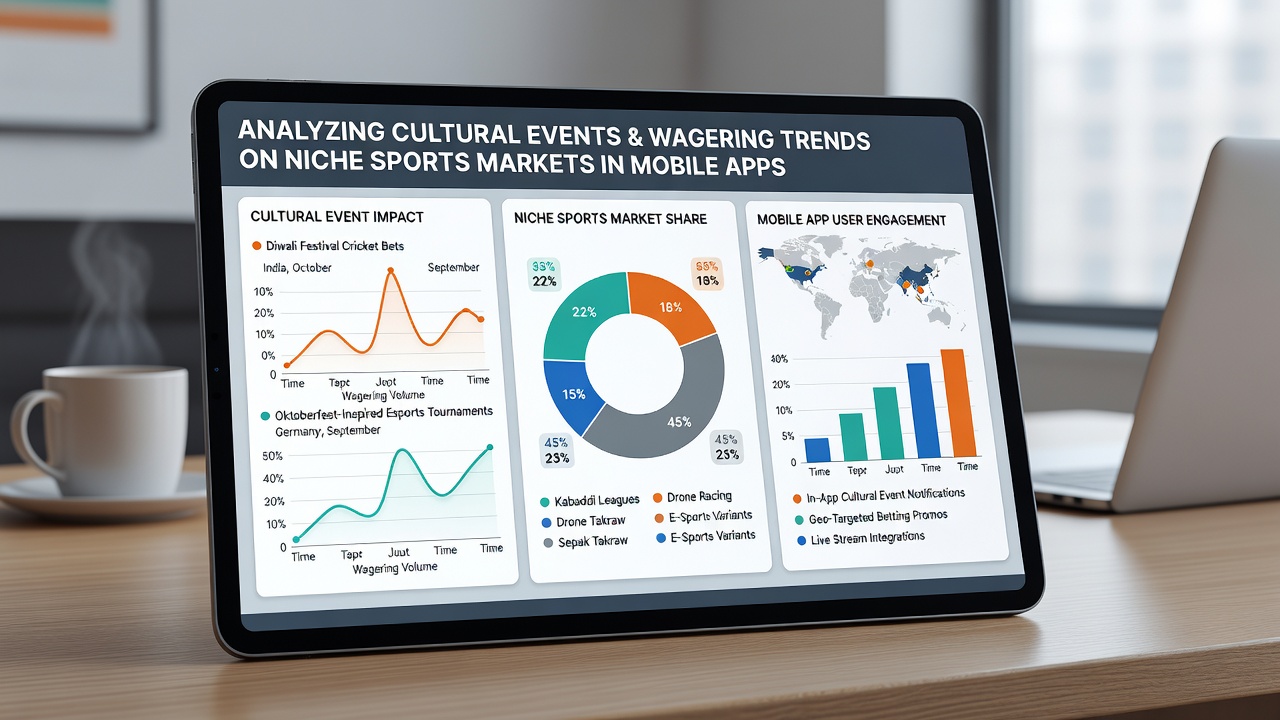
Data Collection and Trend Measurement
Research organizations and regulatory bodies collect wagering data through anonymized transaction logs supplied by licensed operators. The National Council on Problem Gambling in the United States publishes periodic summaries that include breakdowns by sport category and platform type, and similar reports from the Canadian Gaming Association track cross-border mobile activity during overlapping cultural calendars.
Academic studies from European universities have examined how event calendars influence market liquidity in niche segments, and their findings show that liquidity improves when cultural timing aligns with existing league schedules. Mobile apps benefit from this alignment because they can aggregate small bets from dispersed user bases into viable market depth without requiring large individual stakes.
App Features That Amplify Cultural Influences
Modern mobile applications incorporate features such as localized content feeds, event-specific leaderboards, and quick-bet buttons that reduce friction during high-interest periods. These tools allow users to follow niche competitions that gain temporary prominence through cultural coverage in mainstream media or social platforms.
Operators also adjust responsible gaming prompts and deposit limits in response to observed volume increases, and compliance teams monitor whether cultural events produce unusual clustering of new accounts or rapid stake escalation. The European Gaming and Betting Association has documented industry practices around temporary market promotions, and its reports indicate that operators favor time-bound offers tied to specific festivals rather than permanent additions to their sports catalogs.
Regulatory Oversight and Cross-Border Considerations
Regulatory frameworks in different jurisdictions address how operators promote niche markets during cultural events. Australian state regulators require clear disclosure when markets appear only for limited periods, while several Canadian provinces examine whether festival-timed promotions target demographics that ordinarily show lower engagement with sports wagering.
These oversight mechanisms focus on transparency rather than restriction, and they require operators to maintain records linking promotional activity to verifiable cultural calendars. Mobile platforms that operate across multiple regions maintain separate compliance modules to satisfy varying disclosure rules, which adds complexity but also creates detailed datasets that researchers later analyze for broader trend identification.
Conclusion
Cultural events produce documented, measurable effects on wagering activity within niche sports markets accessed through mobile applications. Data from regulatory summaries, industry associations, and academic research consistently shows that temporary increases in user interest align with festival and celebration calendars, and operators respond through targeted market expansion and interface adjustments. These patterns continue to evolve as mobile platforms refine localization features and as regulatory bodies refine reporting requirements around time-limited promotions.