Algorithmic Adjustments Reshape Payouts in Global Digital Lottery Hybrids

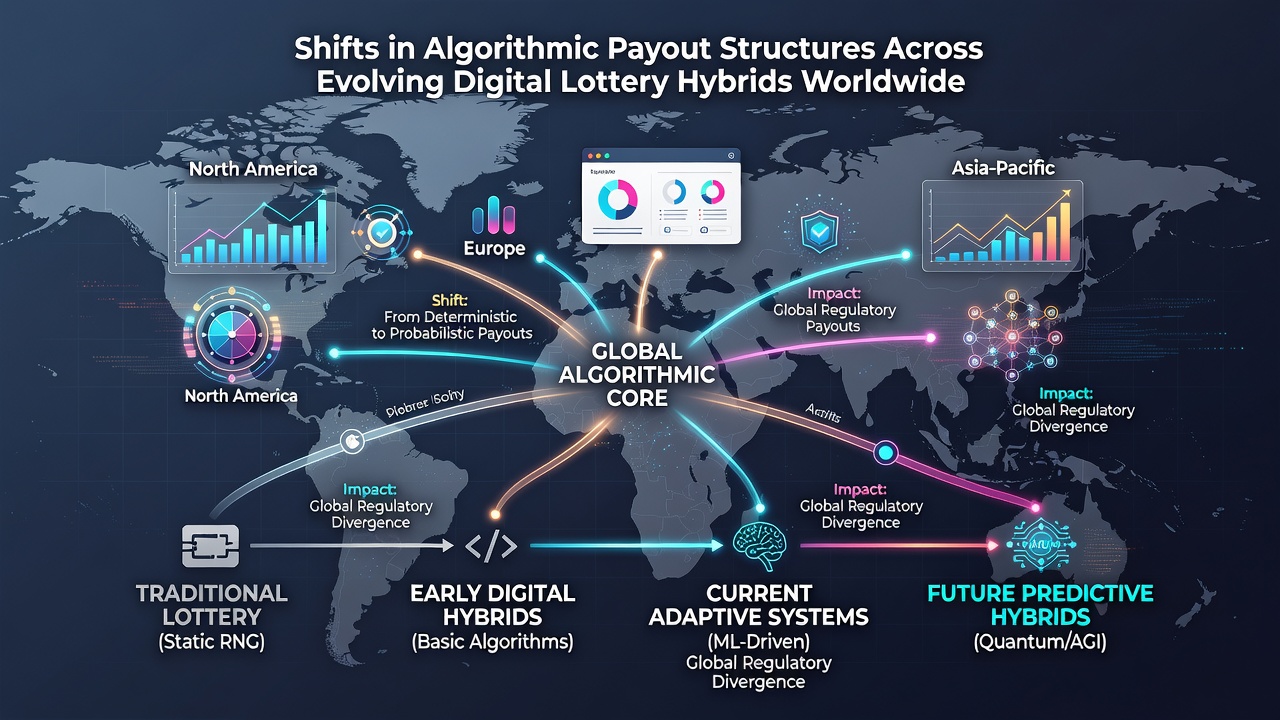
Digital lottery hybrids now combine traditional draw mechanisms with real-time algorithmic elements, and these systems have undergone notable payout structure changes in recent years. Observers note that platforms integrate fixed jackpot draws alongside variable instant-win features where algorithms recalculate prize pools based on participation metrics and revenue targets. Data from industry reports indicate that such hybrids expanded rapidly across Asia and Europe between 2024 and 2026, with algorithmic layers allowing operators to modulate return-to-player percentages dynamically rather than relying on static models.
Core Mechanics Behind the Shifts
Traditional lotteries operated on predetermined payout ratios set through legislation or operator policy, yet hybrid versions embed machine learning models that process live data streams. These models factor in player demographics, session durations, and aggregate bet volumes to adjust prize distribution frequencies. Researchers at academic institutions tracking gambling technology have documented cases where payout algorithms reduced average returns by fractions of a percent during high-volume periods while increasing them during off-peak hours to sustain engagement levels. The approach differs markedly from earlier fixed-structure systems because it responds to incoming variables without requiring manual intervention.
One study released in early 2026 examined platforms operating in multiple jurisdictions and found that algorithmic recalibration occurred on average every 15 minutes during peak activity. Such frequency enables operators to balance total prize payouts against operational costs while maintaining compliance thresholds set by regulators. Experts have observed that the underlying code often incorporates weighted variables for geographic location and device type, which further refines how winnings distribute across user segments.
Regional Developments Through Mid-2026
In North America, several state-regulated platforms adopted algorithmic payout engines during the first half of 2026 to align with updated licensing conditions. Figures from regulatory filings show that these systems helped maintain prize payout ratios within mandated bands even as ticket sales fluctuated seasonally. Canadian provincial operators followed similar patterns, integrating cross-border data feeds that allowed algorithms to account for currency conversion impacts on effective returns.
Asian markets demonstrated faster adoption rates, with Singapore-based and Japanese platforms deploying predictive models that forecast demand surges days in advance. Reports from regional gaming associations reveal that these models shifted payout emphasis toward smaller, more frequent wins during promotional windows, a tactic designed to stabilize overall participation metrics. European operators, operating under frameworks from bodies such as the Netherlands Gaming Authority, introduced transparency requirements around algorithmic logic, compelling providers to log and audit every payout modification.
Regulatory and Technical Influences
June 2026 saw several regulatory updates that directly affected algorithmic operations. Authorities in Australia released guidelines requiring operators to disclose when payout algorithms alter prize frequencies beyond predefined thresholds. This move prompted platform developers to embed audit trails that record each adjustment alongside its triggering data points. Similar directives appeared in select Latin American jurisdictions, where lawmakers tied licensing renewals to verifiable fairness certifications for algorithmic components.
Technical infrastructure upgrades supported these shifts. Cloud-based computing resources enabled real-time processing of massive datasets, while blockchain integrations in certain hybrids provided immutable records of prize allocations. Industry analyses indicate that such combinations reduced disputes over payout calculations by providing verifiable logs accessible to both players and oversight bodies. Observers note that interoperability standards between different national systems remain under discussion, particularly where algorithmic outputs must satisfy multiple regulatory regimes simultaneously.
Impact on Player Behavior and Platform Economics
Platform operators report that algorithmic flexibility correlates with steadier revenue streams across varying market conditions. Data compiled by research organizations tracking global lottery trends shows that hybrids employing dynamic payouts experienced lower variance in monthly prize distributions compared with static counterparts. This stability stems from the algorithms' capacity to reallocate unclaimed prize portions into subsequent draws or secondary features without altering the core game rules.
Players interacting with these systems encounter interfaces that display updated odds or prize tiers in real time, although the underlying calculations remain opaque in many implementations. Training programs for regulatory staff have expanded accordingly, focusing on how to evaluate algorithmic fairness rather than reviewing fixed payout tables. Academic papers published through mid-2026 emphasize the need for standardized testing protocols that simulate diverse usage scenarios to verify that adjustments do not inadvertently favor certain user cohorts.
Conclusion
Shifts in algorithmic payout structures continue to redefine operational parameters for digital lottery hybrids across continents. Regulatory frameworks evolve in tandem with technical capabilities, producing environments where data-driven adjustments coexist with statutory safeguards. Ongoing monitoring by government agencies and independent researchers provides the quantitative foundation for assessing long-term effects on participation and revenue distribution. As platforms refine these systems further, the interplay between algorithmic precision and regulatory oversight shapes the trajectory of hybrid lottery products worldwide.